
Pool Winterization Tips for Dallas Homeowners
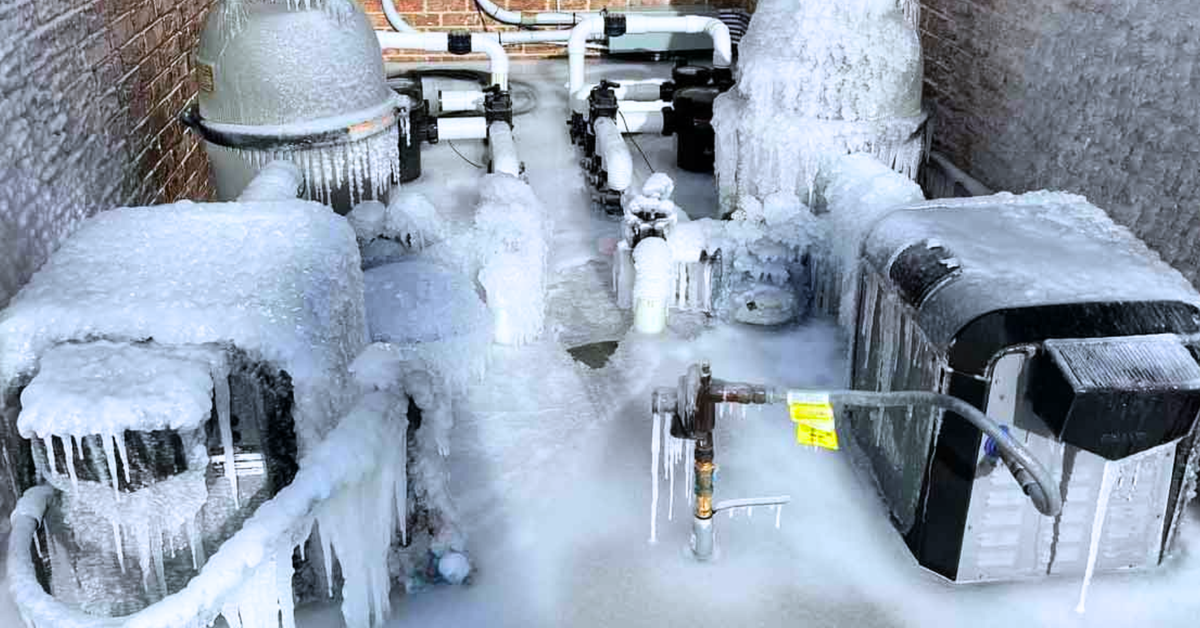
Closing your pool for the season is a big job, and it’s important to do it right. When you don’t properly prepare your pool for the colder months, you risk damage to your equipment and plumbing. This can lead to some expensive repairs when you want to open it back up in the spring. Following these pool winterization tips for Dallas homeowners is the best way to protect your investment. Let’s walk through what you need to do to get your pool ready for its winter hibernation.
Clean Your Pool Thoroughly
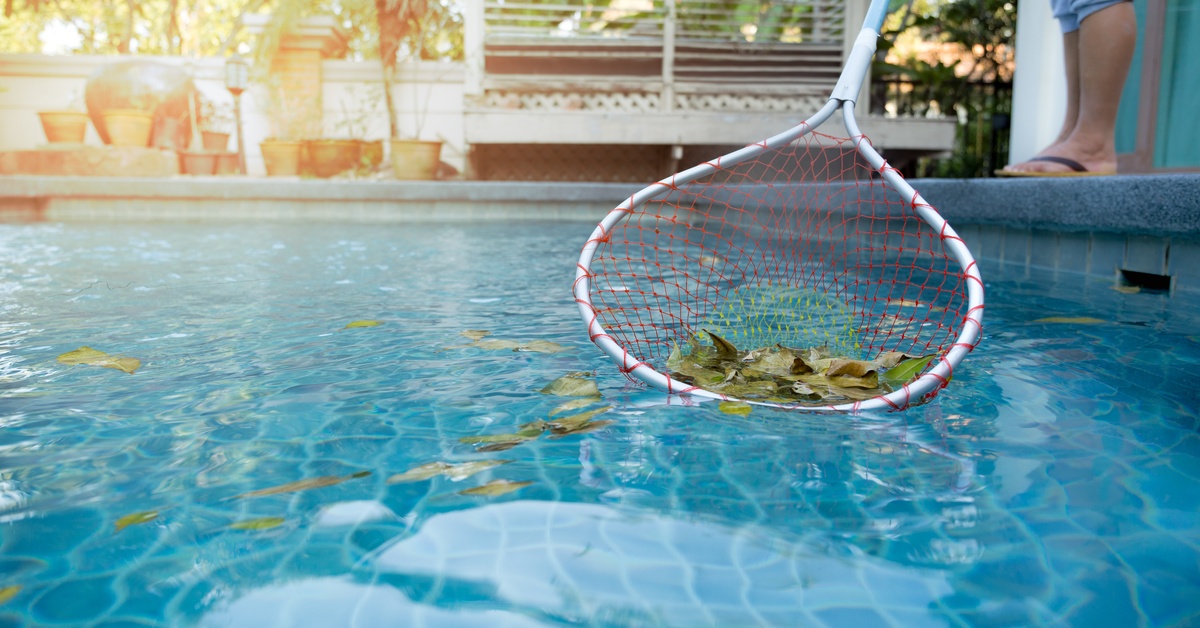
You wouldn’t put away dirty dishes, right? The same idea applies to your pool. Before you do anything else, you’ve got to give it a deep clean. Any leaves, dirt, or other debris left in the water will decay over the winter. This creates a food source for algae and can cause stubborn stains on your pool’s surface that are tough to remove later.
Start by skimming the surface to get rid of any floating leaves or bugs. Then, brush the walls and floor of the pool to dislodge any stuck-on dirt or algae. Once you’ve brushed everything down, use your pool vacuum to suck up all the debris that’s settled on the bottom. Don’t forget to empty the skimmer and pump baskets, too. A clean pool is the first step to a smooth opening next year.
Balance Your Water Chemistry
After your pool is sparkling clean, the next step is to balance the water chemistry. This is a really important part of the process because unbalanced water can be corrosive to your pool’s surfaces and equipment over the winter. You’ll want to test your water and adjust the chemical levels to fall within the ideal winter ranges.
Here’s what you should be aiming for:
- pH: 7.4 to 7.6
- Alkalinity: 80 to 120 parts per million (ppm)
- Calcium Hardness: 200 to 400 ppm
Once these levels are stable, you’ll add a winterizing chemical kit. These kits usually contain a powerful algaecide and a chlorine-free shock. The shock will oxidize any remaining contaminants in the water, and the algaecide will prevent new algae from blooming during the off-season. Follow the instructions on your kit for the best results. Adding these chemicals now prevents you from opening a green, swampy pool in the spring.
Lower the Water Level
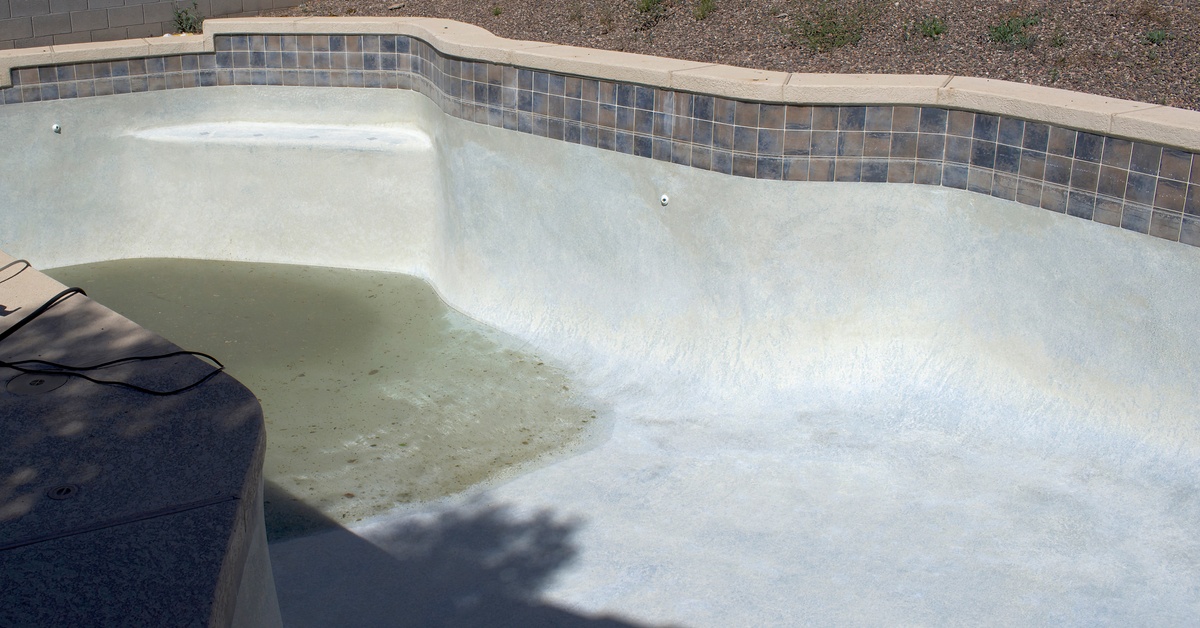
Now it’s time to drain some water from your pool. The reason you do this is to prevent freeze damage. When water freezes, it expands, and this expansion can crack your pool’s skimmers, plumbing lines, and tiles. For Dallas-area pools, where hard freezes aren’t as common as in northern states, you don’t need to drain it completely.
You’ll want to lower the water level to about 4 to 6 inches below the skimmer opening. This is low enough to keep water out of the skimmer but high enough to support your pool cover. You can use a submersible pump or your pool’s filter pump set to “waste” to drain the water to the correct level. Just keep a close eye on it so you don’t drain too much.
Drain and Store Your Equipment
Once the water level is down, you need to protect your pool’s plumbing and equipment. Any water left inside the pump, filter, heater, or pipes can freeze and cause major damage. Start by turning off all power to the pool equipment at the circuit breaker. This is an important safety step.
Next, you’ll need to drain everything.
- Pump and Filter: Remove the drain plugs from your pump, filter tank, and heater to let all the water out. Store these plugs in the pump basket so you don’t lose them over the winter.
- Pipes: Use a shop vac or air compressor to blow any remaining water out of the plumbing lines. You’ll blow air from the skimmer line through the equipment and back to the return lines. You’ll know the lines are clear when you see air bubbles coming out of the return jets. Once they’re clear, plug the lines at the pool wall with expansion plugs.
- Accessories: Don’t forget to remove ladders, handrails, and diving boards. Clean and dry them thoroughly before storing them somewhere safe for the winter.
When It’s Safe to Open Your Pool Again
You’ve successfully de-winterized your pool, but now you’re wondering when you can de-winterize it. You generally want to re-open your pool early into the season to prevent algae growth and get a head start on chemical balancing if necessary; but not too early. Wait until Dallas night temps stay above 50°F for at least a week, and your water hits 60°F or higher. Make sure your winterized chemicals are still in range. If things look clear, you’re good to open up and start pool season.
Getting Your Pool Ready for Spring
What’s nice about living in Dallas is that the weather rarely gets extremely cold, which means you get more use out of your pool than a homeowner in, say, Chicago or Boston. Still, there reaches a point each year where it’s best to close up your pool in order to protect it from the elements.
While you can do this yourself following these pool winterization tips for Dallas homeowners, you may want to enlist the help of a professional instead if you’re short on time or prefer to have an expert handle the process. If that’s the case for you, reach out to Riverbend Sandler for pool winterization. We can drain your pool, winterize the equipment, and add the necessary chemicals to keep it safe and ready for when spring rolls back around again.
To learn more about how our technicians winterize your pool, or to follow a clear, step-by-step guide to winterizing it yourself, including the pool and extra equipment like fill line hoses, heat pumps, chillers, and more, check out our helpful documents outlining the process. With over 40 years of industry experience, you can trust we know what it takes to get your pool properly prepared for the season.