What Professional Pool Cleaners Handle Each Visit
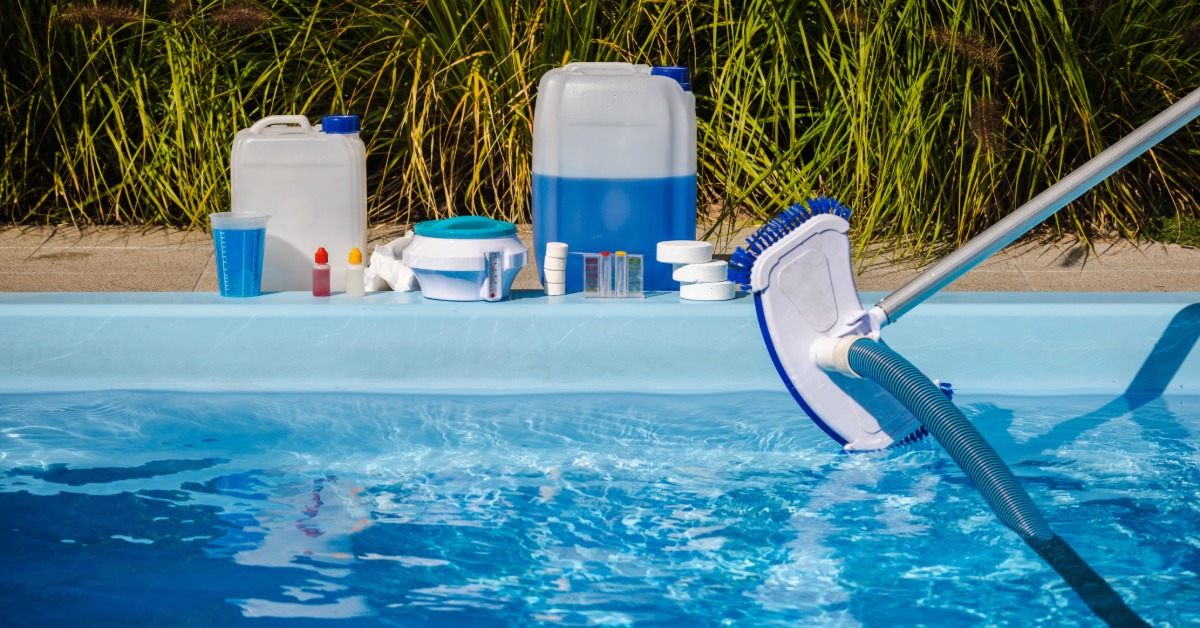
Owning a swimming pool brings plenty of enjoyment, but keeping it clean and operating properly requires consistent attention. Leaves, dirt, algae, and changing water chemistry can affect both the appearance and performance of a pool in a short amount of time. Regular service visits keep small concerns from turning into larger maintenance issues.
Many homeowners know that pool service includes skimming debris and adding chemicals, but a professional visit involves much more than basic cleaning. Trained technicians inspect multiple components, monitor water quality, and look for signs of developing problems. Understanding what professional pool cleaners handle each visit helps pool owners appreciate the value of ongoing maintenance.
Surface Debris Gets Removed Before It Causes Problems
The first task during many service appointments involves removing debris from the water’s surface. Leaves, insects, pollen, and other contaminants constantly find their way into pools, especially during windy weather or seasonal changes.
Technicians use specialized nets and skimming equipment to clear floating debris before it can sink to the bottom. Prompt removal improves water clarity and reduces strain on the filtration system.
Surface cleaning also prevents organic matter from decomposing in the water. As debris breaks down, it can alter the water’s chemical balance and create conditions that encourage algae growth.
Pool Walls and Floors Receive Thorough Cleaning
Even pools with strong circulation systems develop buildup over time. Dirt, algae spores, and mineral deposits can accumulate on pool surfaces between service visits.
During routine maintenance, technicians brush pool walls, steps, benches, and other areas where buildup commonly forms. Brushing loosens the contaminants and allows the filtration system to remove them more effectively.
Many service visits also include vacuuming the pool floor—this process removes dirt and debris that skimmers cannot capture. Consistent cleaning keeps surfaces looking attractive while protecting pool finishes from unnecessary wear.
Water Chemistry Gets Tested and Adjusted
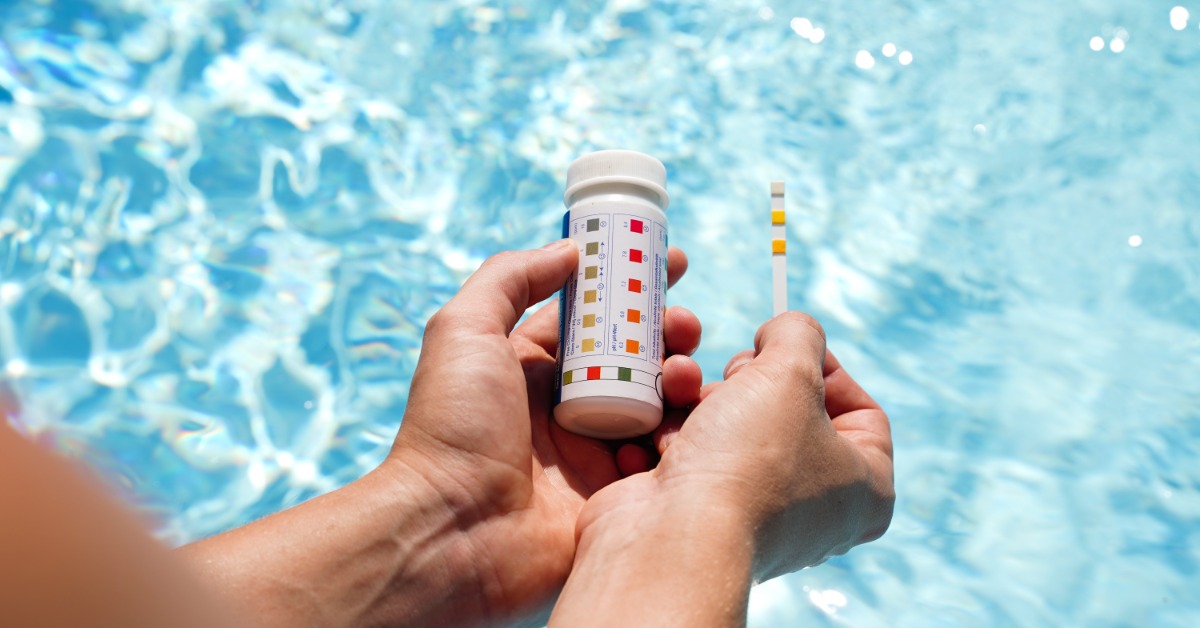
Water chemistry remains one of the most important aspects of pool maintenance, as an improper balance can affect swimmer comfort, damage equipment, and create unhealthy swimming conditions. Professional technicians test several water parameters during each visit.
Typical water testing includes an evaluation of the following:
- Chlorine or sanitizer levels
- pH balance
- Total alkalinity
- Calcium hardness
- Stabilizer levels when necessary
After reviewing the results, the technician adds the appropriate chemicals to maintain proper water balance. Professional pool cleaners understand how different chemical levels interact and can make precise adjustments that support long-term water quality. Maintaining balanced water reduces corrosion, scaling, and many common pool problems that result from neglected chemistry.
Filtration Systems Receive Routine Inspections
A pool’s filtration system operates continuously to keep the water clean. Because filters work so hard, they require regular attention.
Service technicians inspect filter performance during scheduled service visits. Depending on the system, they may clean the cartridges, backwash the filters, or note when deeper maintenance becomes necessary.
The inspection often extends beyond the filter itself, as technicians evaluate water flow, monitor pressure readings, and look for signs that indicate developing issues. When filtration systems operate efficiently, pools stay cleaner and require fewer corrective treatments throughout the season.
Equipment Performance Gets Monitored Consistently
Pool equipment contains several interconnected components that work together to circulate and clean the water. A small issue with one component can eventually affect the entire system.
Routine visits provide opportunities to inspect:
- Pumps
- Heaters
- Timers
- Automation systems
- Valves
- Pool cleaners
Technicians listen for unusual sounds, check for leaks, and verify that equipment operates as intended. Early detection often prevents costly repairs and unexpected breakdowns. Regular monitoring helps homeowners avoid situations where equipment failures interrupt pool use during the busiest swimming months.
Water Levels Stay Within Recommended Ranges
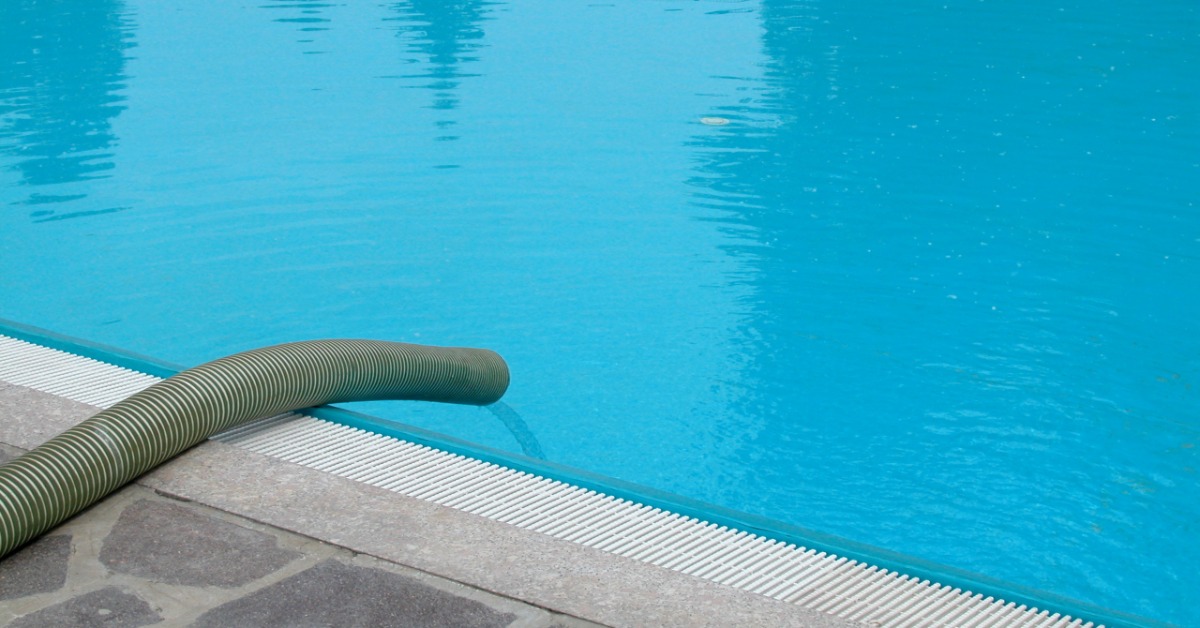
Rainfall, evaporation, splash-out, and backwashing all influence pool water levels. When water levels fall too low, pumps can draw air into the system. Meanwhile, excessively high water levels can interfere with skimmer performance.
During service appointments, technicians evaluate water levels and identify any concerns. If the levels appear abnormal, they may investigate potential causes, such as leaks or drainage issues.
Proper water levels support effective circulation and allow the pool equipment to function correctly. While the adjustment itself may seem simple, it contributes significantly to overall pool health.
Early Warning Signs of Pool Problems Are Identified
One of the most valuable aspects of professional maintenance involves problem detection. Experienced technicians notice subtle changes that many homeowners might overlook.
Discoloration, unusual equipment sounds, water loss, staining, or changing pressure readings can indicate developing pool concerns. Addressing these issues early often reduces repair costs and minimizes downtime.
When homeowners consider what professional pool cleaners handle each visit, inspections and preventative evaluations deserve just as much attention as cleaning tasks. Preventative maintenance delivers substantial long-term value because it reduces the likelihood of larger repairs.
Service Visits Support Long-Term Pool Investment Protection
A swimming pool is a significant investment in a home’s outdoor living space. Protecting that investment requires ongoing care rather than occasional attention.
Routine service supports every major aspect of pool ownership. Clean water, balanced chemistry, efficient equipment, and prompt problem identification all contribute to a longer lifespan for pool components and finishes. Consistent maintenance also creates a more enjoyable swimming environment since homeowners spend less time troubleshooting issues and more time enjoying their pools.
At Riverbend Sandler Pools, we understand that every pool requires attentive care to perform at its best. Our team provides professional cleaning and maintenance services designed to keep water clean, equipment operating properly, and potential problems from escalating. If you need expert guidance for your pool, we are ready to help you protect your investment and keep your backyard retreat in excellent condition.
A Well-Maintained Pool Starts With Consistent Service
Professional pool service involves much more than removing leaves and adding chemicals. Each visit includes a combination of cleaning, testing, inspection, and preventative maintenance designed to keep the entire system operating efficiently.
Understanding what professional pool cleaners handle each visit gives homeowners a clearer picture of the work required to maintain a safe, attractive swimming environment. Regular service supports water quality, equipment performance, and the long-term value of the pool, making professional maintenance an important part of responsible pool ownership.