
Pressure Testing: What It Is & How It Helps Find Pool Leaks
A pool that loses water faster than expected creates a frustrating problem for any property owner. Water loss may come from several areas, and the source does not always appear at the surface. Plumbing lines run underground, equipment connects through multiple fittings, and small leaks may remain hidden while water continues to escape.
Pressure testing gives pool professionals a focused way to evaluate plumbing lines for leaks. Instead of relying on visible clues alone, a technician can isolate parts of the circulation system and check whether each section maintains pressure. The results narrow the search area and provide useful direction for the next stage of leak detection.
Checks Pool Plumbing for Hidden Water Loss
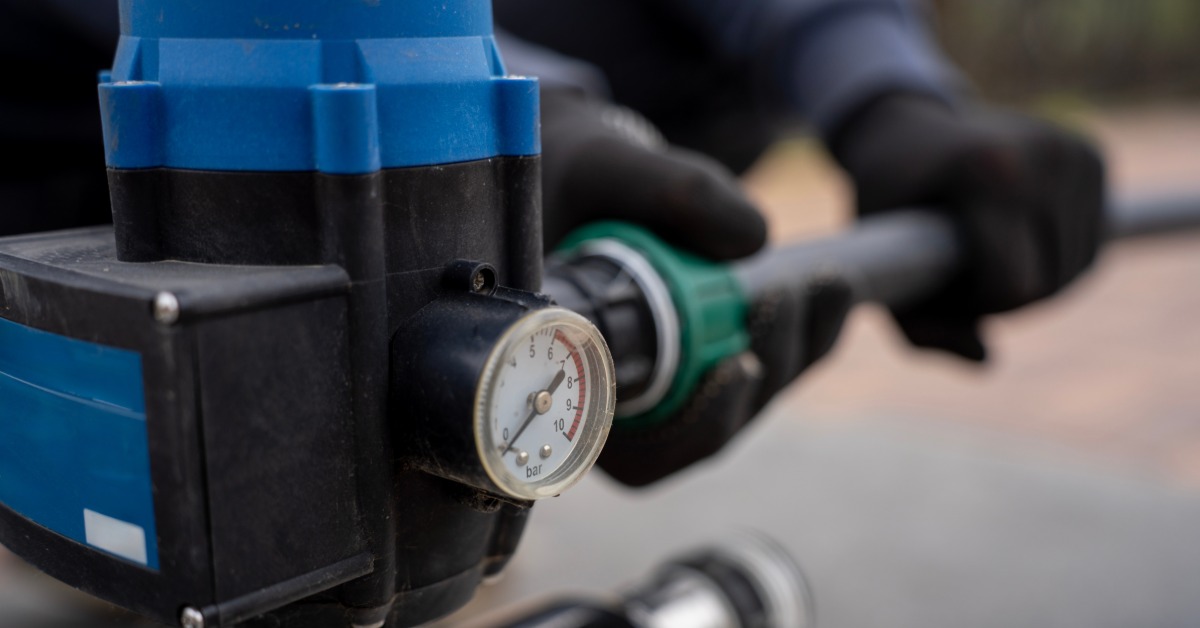
Pressure testing works by isolating a plumbing line and introducing controlled pressure into that section. The technician then monitors the line to determine whether it holds that pressure. A stable reading suggests the isolated section remains sealed, while a pressure drop indicates a leak somewhere along the tested line.
This process matters because much of a pool’s plumbing sits out of sight. Suction lines, return lines, spa plumbing, and other connections may travel beneath decking or through the surrounding ground. A visual inspection cannot reveal every problem in those locations.
For homeowners wondering what pressure testing is and how it helps find pool leaks, the key idea is isolation. Testing separates individual plumbing sections so the technician can evaluate them without treating the entire pool system as one possible leak source.
Narrows the Search
Finding evidence of a pool leak does not automatically reveal its exact location. A pool may lose water because of a plumbing issue, equipment connection, structural concern, or another source. Pressure testing gives technicians information that can rule plumbing lines in or out as they investigate.
That distinction makes the diagnostic process more focused. If a line holds pressure, the technician can shift attention to other possible sources instead of continuing to investigate that section. If the line loses pressure, the search can concentrate on the affected plumbing route.
Accurate diagnostics matter before pool leak repair begins. Repair work should address the source of water loss rather than a nearby symptom, and targeted testing provides evidence that supports that decision.
Reduces Unnecessary Disruption
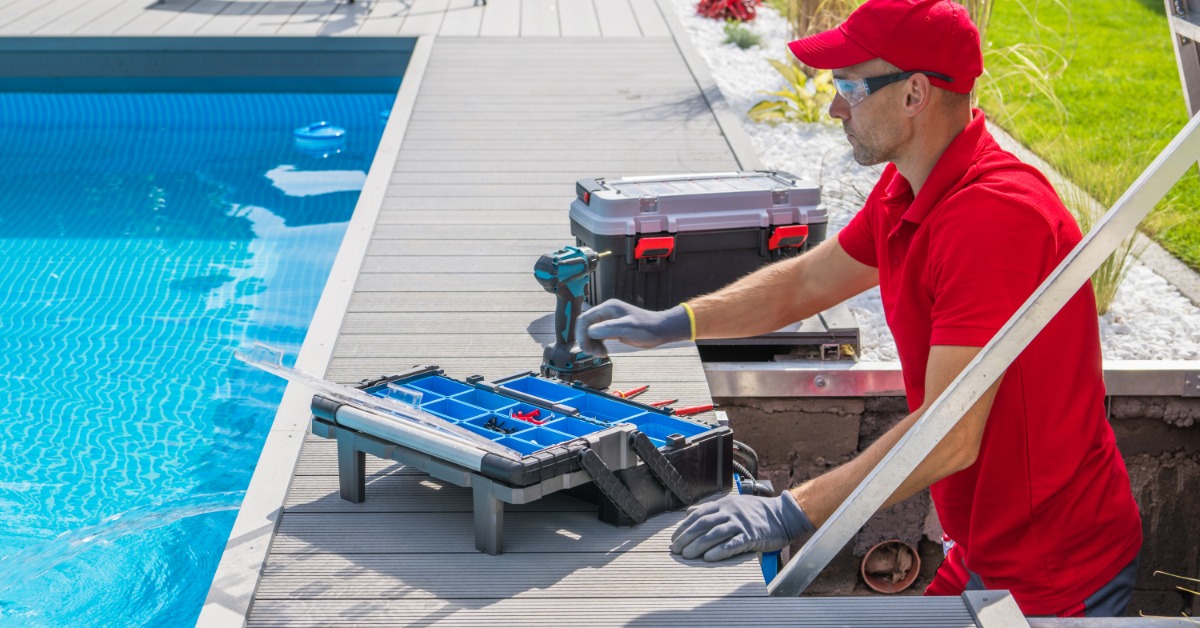
As mentioned, underground pool plumbing can run beneath decks, landscaping, or other finished areas. Without a focused leak diagnosis, searching for a hidden plumbing leak could involve investigating a much larger area than necessary. Pressure testing lets technicians identify the exact line showing signs of leakage before moving toward more localized detection.
That information supports a more deliberate leak repair process. When the affected pool plumbing route becomes clearer, technicians can focus subsequent work around that route instead of treating every buried line as equally suspect.
Pressure testing does not guarantee that a repair will require no access to surrounding surfaces. It does, however, give the service team better diagnostic information before decisions about access or repair begin.
Works Best as Part of a Broader Leak Investigation
Water loss alone does not prove that a pool’s underground plumbing has failed. Evaporation and other pool-related issues can affect water levels, while leaks can develop in areas outside the buried plumbing network. A professional investigation considers the pool’s overall condition before deciding where pressure testing fits.
Technicians may review visible equipment, observe the water level, and consider various signs of a leak around the pool before isolating plumbing lines. The findings from each step shape what comes next. This method keeps the investigation tied to evidence instead of assumptions.
That context also explains what pressure testing is and how it helps find pool leaks in practical terms. The procedure answers a specific question about plumbing integrity, while the overall leak investigation determines how that answer relates to the swimming pool’s water loss.
Limits Ongoing Water Loss Through Early Leak Investigation
A small hidden pool leak may not create an obvious puddle or dramatic equipment problem. Homeowners may first notice that they need to add water to the pool more often than usual or that the water level changes in a way that seems inconsistent with normal swimming pool conditions.
Ignoring unexplained water loss allows the underlying issue to continue. Escaping water can also make routine pool care more difficult because the pool requires repeated refilling. When a persistent water level change appears, a professional evaluation can determine whether the pool needs leak detection and whether pressure testing makes sense.
Prompt investigation also creates a clearer baseline for service. Rather than repeatedly compensating for water loss, the homeowner can focus on identifying why the water level keeps dropping.
Requires Controlled Procedures
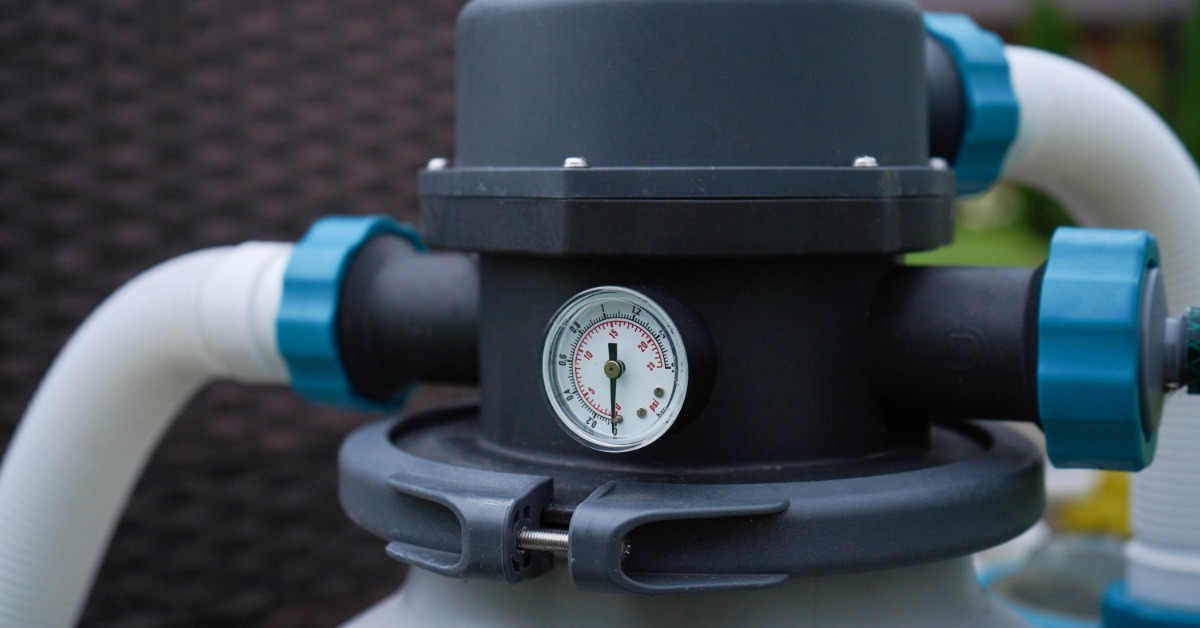
Pressure testing involves more than attaching equipment to a line and watching a gauge. Technicians need to understand the plumbing configuration, isolate the correct sections, and apply suitable testing procedures for the system in front of them. The goal is to gather useful information without confusing normal openings or connected components with a leak.
Pool configurations vary widely, especially when spas, water features, or specialized equipment connect to the circulation system. A professional can account for those differences while deciding which pool lines to test and how to interpret the results.
That expertise becomes especially valuable when several potential leak sources exist. A structured diagnostic process keeps each finding connected to a specific part of the pool system.
Riverbend Sandler Pools Can Investigate Suspected Pool Leaks
Unexplained water loss in a pool deserves a focused diagnosis before repair work starts. Pressure testing can identify plumbing sections that do not hold pressure, narrow the investigation, and give technicians a clearer direction for additional pool leak detection.
At Riverbend Sandler Pools, we provide pool repair and service for in-ground pools throughout the Dallas-Fort Worth area. Our team can evaluate suspected swimming pool leaks and determine the appropriate next steps based on the pool and its systems. If you have noticed persistent water loss or suspect a hidden pool plumbing issue, contact us to schedule service and start identifying the source of the potential leak.