
How Infinity Pools Have Evolved Over Time
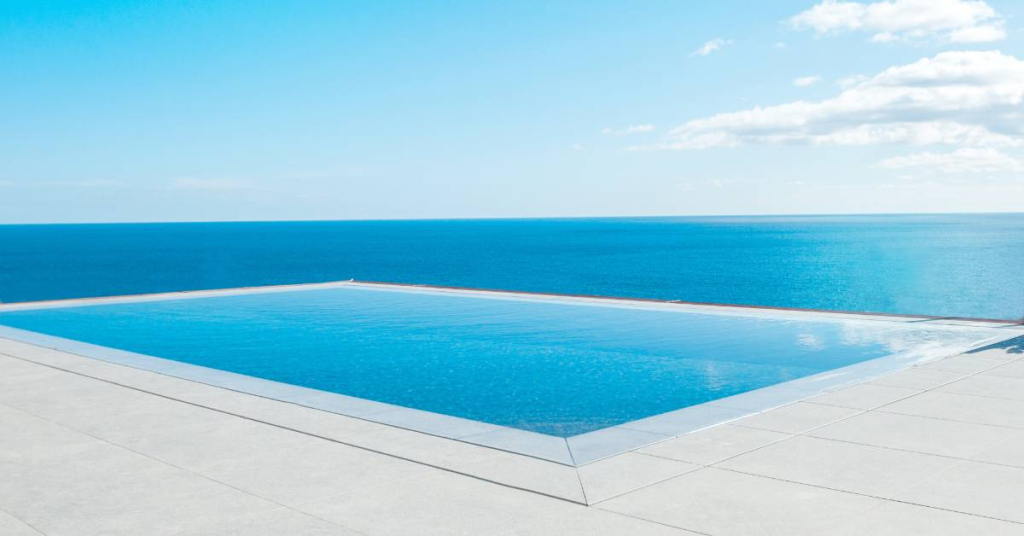
Infinity pools have transformed outdoor living by creating a visual connection between swimming areas and their surrounding landscapes. Their distinctive disappearing edges produce the illusion that water extends toward the horizon without interruption. Although modern infinity pools often appear in luxury residential designs, their underlying concepts reflect centuries of architectural experimentation with water and perspective.
Understanding how infinity pools have evolved over time reveals a progression from decorative water features to sophisticated swimming environments. Advancements in hydraulic engineering, construction materials, and digital design have expanded what homeowners can achieve with these distinctive pools.
Ancient Water Features Introduced the Principle of Visual Continuity
The origins of infinity pool design trace back to ancient architectural traditions that used water to establish visual harmony. Roman builders incorporated reflecting pools and ornamental basins into courtyards and gardens, emphasizing the relationship between water surfaces and surrounding structures.
These early installations relied on carefully arranged elevations and water movement to create visual interest. Although they did not feature vanishing-edge systems, they demonstrated how water placement could influence the perception of an outdoor space.
Renaissance Landscape Design Advanced Water and Perspective
During the Renaissance, European landscape architects expanded this principle through elaborate gardens that emphasized perspective and elevation. Italian designers incorporated terraced pools and cascading waterways into formal landscapes, directing water between different levels while connecting architectural features.
These arrangements demonstrated how controlled water movement could create visual continuity across a property. Rather than functioning solely as decoration, water became an integral part of landscape composition. This emphasis on perspective established an important design influence for later infinity-edge concepts.
Twentieth-Century Architecture Brought Vanishing Edges to Pools
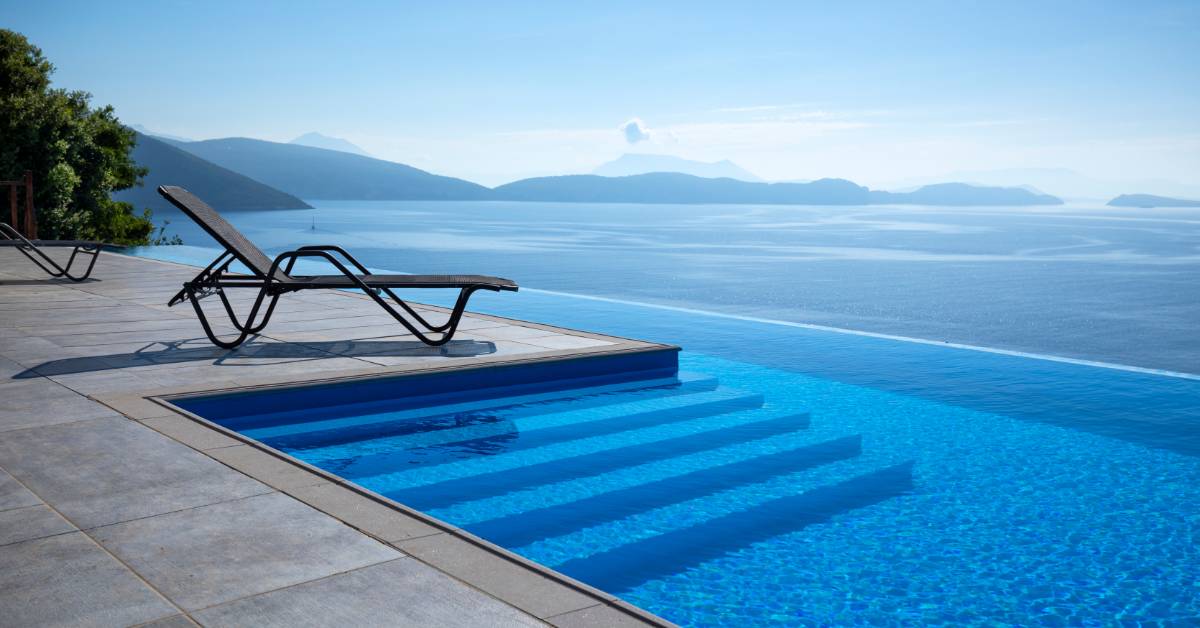
The development of modern infinity pools accelerated during the 20th century as architects explored stronger connections between residential structures and natural landscapes. Modernist design emphasized clean lines and uninterrupted views, encouraging swimming pool designers to reconsider conventional boundaries.
As construction techniques advanced, designers incorporated overflow edges into swimming pools overlooking hillsides and expansive scenery. These installations established the foundation for contemporary infinity pool installation, which combines structural engineering with precise water-level management to create a seamless visual boundary.
Improved Hydraulic Engineering Made Infinity Pools More Practical
While early architectural concepts emphasized appearance, modern infinity pools require dependable systems to manage continuous water movement. Advancements in hydraulic engineering introduced more reliable methods for collecting overflowing water and returning it to the swimming area.
Unlike conventional pools, infinity pools direct water across one or more edges into a lower collection basin. Pumps circulate that water back into the main pool, maintaining the overflow effect. Engineers calculate circulation requirements according to each installation’s dimensions and structural configuration.
Several improvements have expanded residential infinity pool possibilities:
- Catch basin design: Collection areas accommodate overflowing water and support consistent circulation.
- Variable-speed pumps: Adjustable equipment allows operators to regulate water movement according to system requirements.
- Automatic water level controls: Sensors and control equipment maintain appropriate operating levels.
- Precision edge construction: Accurate measurements support uniform overflow across the vanishing boundary.
These advancements make complex infinity-edge designs more practical while reinforcing the importance of detailed hydraulic planning.
New Construction Materials Expanded Infinity Pool Design Options
Advancements in construction materials have influenced both the appearance and structural capabilities of infinity pools. Earlier installations often relied on relatively straightforward concrete configurations, while modern construction techniques accommodate increasingly intricate shapes and challenging elevations.
Reinforced concrete remains an important material because it supports customized dimensions and demanding structural requirements. Improved waterproofing systems also provide greater protection around overflow walls and collection areas, where continuous water movement requires careful construction.
Finish selections have evolved alongside structural materials. Glass tile creates reflective surfaces that enhance the water’s appearance, while darker interior finishes strengthen the visual connection with surrounding landscapes. Homeowners now have greater flexibility to coordinate pool finishes with their property’s architectural style while considering long-term maintenance.
Digital Design Technology Improved Pool Planning and Visualization
The introduction of digital design tools marked another important advancement in infinity pool development. Traditional architectural drawings communicated dimensions and structural details, but homeowners sometimes struggled to visualize how a vanishing edge would interact with their property.
Three-dimensional modeling allows designers to illustrate proposed infinity pools from multiple viewing angles. Homeowners can evaluate how the swimming surface aligns with nearby patio and landscape features before construction begins.
Digital planning also supports more detailed assessments of property elevations and structural configurations. Designers can explore different layouts while considering the relationship between the infinity edge and surrounding architecture. These capabilities make it easier to refine complex designs during the planning process.
Contemporary Infinity Pools Emphasize Personalized Outdoor Living
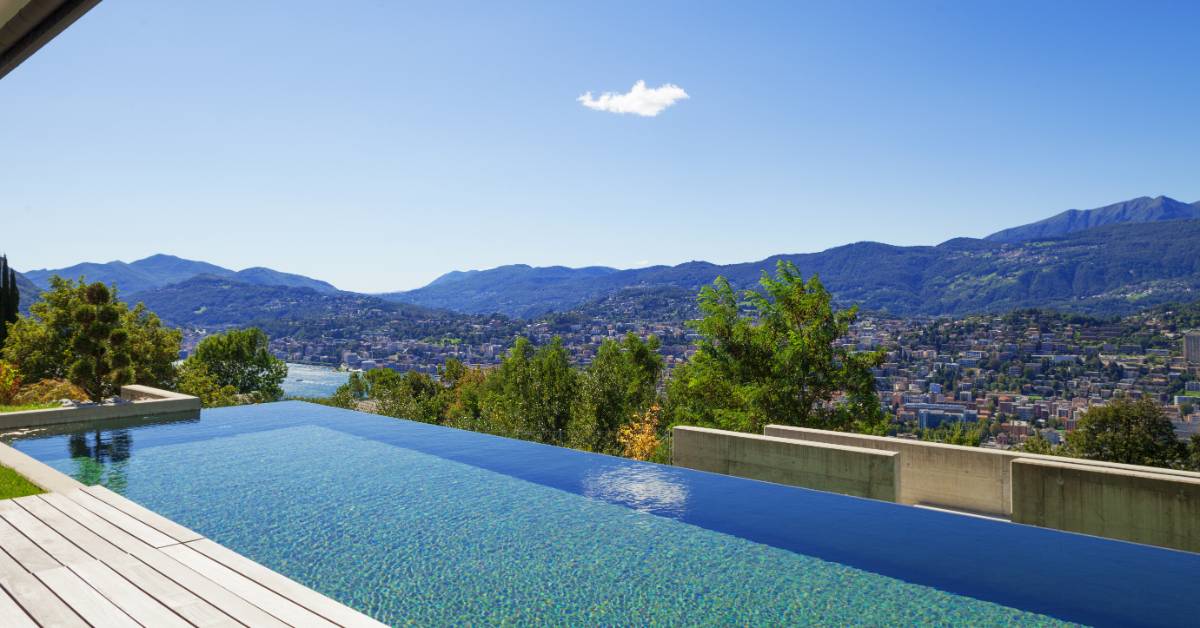
Modern infinity pools have evolved beyond the dramatic hillside installations that established their popularity. Designers now adapt vanishing-edge concepts to residential properties with different layouts and architectural styles.
Some homeowners prefer rectangular infinity pools that complement contemporary homes, while others select custom-shaped designs that follow natural landscape contours. The ideal configuration depends on available space and the viewing angles necessary to create the desired disappearing-edge effect. Contemporary designs may also incorporate adjoining spas or integrated seating areas, allowing homeowners to accommodate different recreational preferences within a cohesive outdoor environment.
Future Infinity Pool Innovations Will Focus on Efficiency and Control
As swimming pool technology continues advancing, infinity pool systems will likely benefit from improvements in automation and equipment efficiency. Modern control platforms already allow homeowners to monitor certain pool functions and adjust compatible equipment through connected interfaces.
Future innovations may introduce more responsive circulation management that adjusts equipment operation according to changing conditions. Improved monitoring technology could also provide greater insight into water levels and system performance.
Energy efficiency will remain an important consideration because infinity pools require circulation equipment to maintain their distinctive overflow effect. Designers must balance visual performance with practical operating requirements when selecting equipment and configuring hydraulic systems.
Examining how infinity pools have evolved over time demonstrates the lasting connection between architectural creativity and engineering innovation. Although technology continues expanding design possibilities, successful installations still depend on appropriate site conditions and careful construction planning.
Riverbend Sandler Pools Brings Modern Pool Design to North Texas
From ancient reflecting pools to contemporary vanishing-edge designs, the evolution of infinity pools reflects centuries of experimentation with water and architecture. Modern construction methods now give homeowners greater opportunities to incorporate these distinctive features into personalized outdoor environments.
At Riverbend Sandler Pools, we specialize in custom pool design and construction. Our team will work with you to evaluate your property, explore design possibilities, and develop a swimming pool that complements your outdoor space. Contact us today to discuss your custom pool project and explore how modern infinity pool design could transform your backyard.