
Top Common Causes of Swimming Pool Leaks
Swimming pools usually lose a small amount of water through evaporation, especially during hot weather. However, consistent water loss that exceeds normal evaporation rates often points to a leak somewhere within the pool or its equipment. Identifying the source of the leak early protects your investment, reduces water waste, and prevents damage to surrounding structures.
Many homeowners overlook subtle warning signs until the problem becomes more expensive to fix. Understanding the top common causes of swimming pool leaks makes it easier to recognize when professional inspection becomes necessary and why prompt leak repairs matter.
Structural Cracks Allow Water To Escape
Cracks in a swimming pool shell often develop over time because of soil movement, ground settling, or changing weather conditions. Even small fractures in the pool can allow water to seep into the surrounding soil day after day.
Concrete, gunite, and plaster pools may develop hairline cracks that gradually widen. Fiberglass pools experience fewer structural cracks, but shifting ground or improper installation can still create problems.
Not every visible crack leaks water. Professional testing determines whether a crack extends completely through the pool shell or only affects the surface finish. Early pool evaluation limits additional damage and keeps repair costs manageable.
Plumbing Leaks Waste Water Behind the Scenes
Many swimming pool leaks occur underground where homeowners cannot see them. Pressurized plumbing lines carry water between the pool, pumps, filters, heaters, and other equipment. Any damaged pipe can lose significant amounts of water without obvious surface evidence.
Tree roots, shifting soil, aging materials, and accidental damage during landscaping can all affect a swimming pool’s underground plumbing. Because these leaks remain hidden, they can potentially continue for weeks before anyone notices the additional water loss.
Professional technicians use specialized equipment to isolate pool plumbing lines and locate the exact source of the leak without unnecessary digging. Accurate pool leak detection shortens repair time and protects the surrounding landscaping.
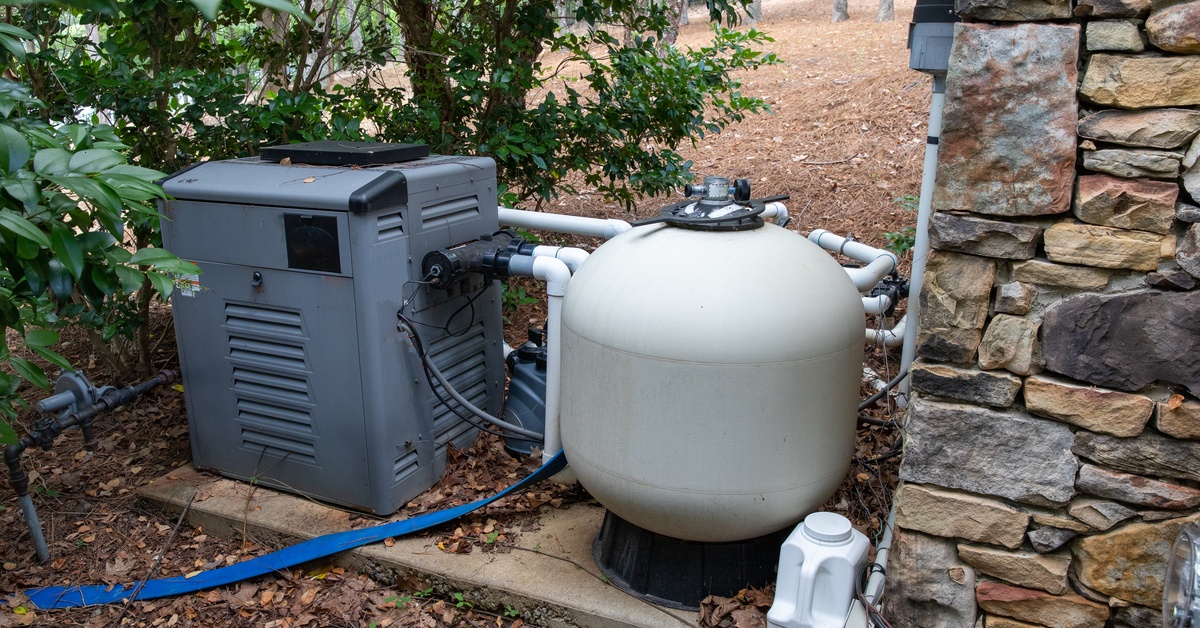
Pool Equipment Can Develop Hidden Leaks
Swimming pool equipment operates under constant pressure and experiences regular wear throughout the swimming season. Small leaks around equipment pads may seem harmless at first but often worsen over time.
Common pool equipment-related leak locations include:
- Pump seals
- Filter tanks
- Multiport valves
- Heater connections
- Chlorinator fittings
- Pipe unions and couplings
Many pool equipment leaks begin with worn gaskets or deteriorated O-rings. Replacing these components promptly often prevents larger mechanical failures and unnecessary water loss.
Failing Seals Around Pool Components Allow Leaks
Several swimming pool components penetrate the pool shell. Skimmers, return fittings, lights, main drains, and water features all require watertight seals to prevent leaks.
Rubber gaskets and sealants naturally deteriorate after years of exposure to water, chemicals, sunlight, and seasonal temperature changes. Once these seals begin to fail, water escapes around the fittings instead of remaining inside the pool.
Many homeowners mistake these leaks for evaporation because the water loss occurs slowly. Professional pool inspections can identify deteriorated seals before they create larger structural concerns.
Ground Movement Can Affect Pool Integrity
The soil beneath and around a swimming pool constantly responds to moisture levels and seasonal weather patterns. Expanding and contracting soil places stress on the pool structure and plumbing system.
North Texas presents unique challenges because the clay-rich soils in the area expand after heavy rainfall and shrink during dry periods. These repeated cycles may shift plumbing lines, separate fittings, or contribute to structural cracking. Routine pool inspections become especially valuable after prolonged droughts, significant storms, or noticeable changes in the surrounding landscape.
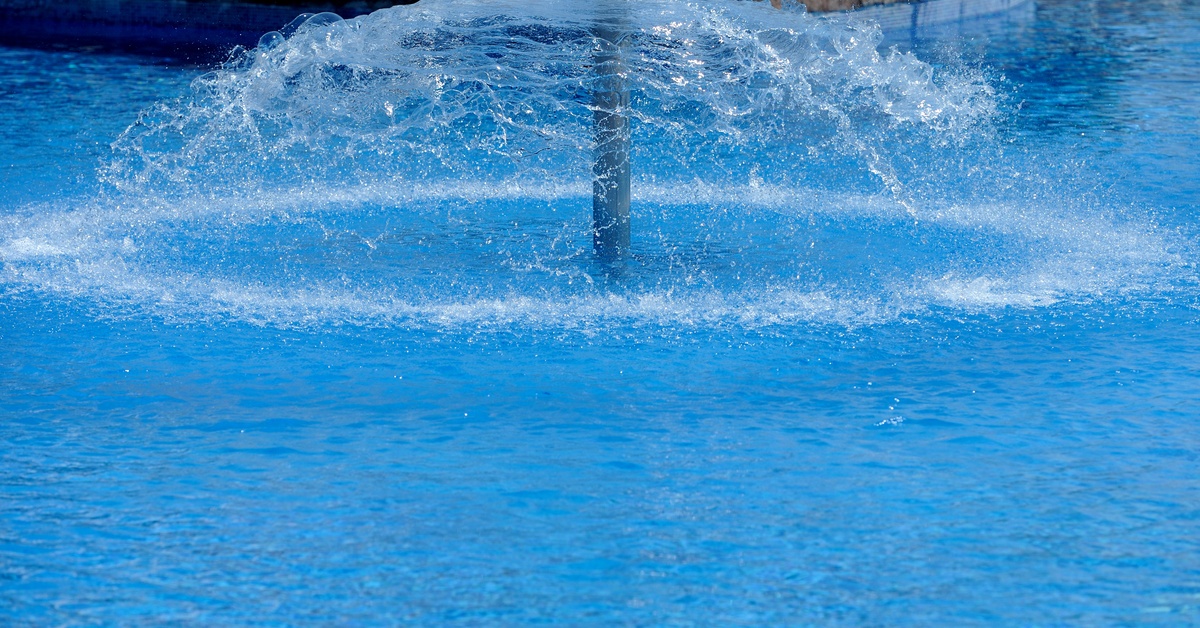
Water Features Sometimes Become Leak Sources
Waterfalls, spas, fountains, deck jets, and decorative features add visual appeal to a backyard pool, but each feature introduces additional plumbing and sealing points.
Small leaks within these systems often appear only while the feature operates. Homeowners may notice unusual water loss without realizing the decorative feature is causing the problem.
Professional leak detection includes testing these systems individually. Isolating each component allows technicians to pinpoint the exact location of a leak instead of relying on guesswork.
Pool Deck Damage Can Point to Leaks Below the Surface
A pool leak can affect more than the water level. When escaping water collects beneath the decking, it may wash away soil, loosen deck supports, or create small voids below the surface.
Homeowners may notice sinking pavers, cracks in concrete, soft soil, or damp spots that never seem to dry. These signs deserve attention because deck movement can create safety concerns and place additional stress on pool edges.
A professional inspection can determine whether the deck issue connects to a swimming pool leak or another drainage problem. Addressing the source early protects the surrounding outdoor living area and reduces the chance of needing more involved repairs later.
Professional Leak Detection Saves Time and Prevents Larger Repairs
Finding the exact source of a pool leak requires more than watching the water level. Multiple issues can produce similar symptoms, making accurate leak diagnosis essential before repairs begin.
Experienced pool technicians use specialized leak detection methods to evaluate plumbing, equipment, structural components, and fittings. Reliable pool leak services eliminate unnecessary excavation and focus repairs where they matter most.
Ignoring a suspected pool leak increases expenses. Continued water loss increases utility costs, places additional strain on pool equipment, and may eventually damage nearby decking, landscaping, or structural foundations. The top common causes of swimming pool leaks highlight why early attention protects both your swimming pool and your property. Even minor leaks deserve prompt evaluation before they become more extensive concerns.
Protect Your Pool Investment With Prompt Repairs
Water loss should never become part of normal pool ownership. If your pool consistently requires additional water or you notice unexplained wet areas around the equipment or decking, professional inspection provides clear answers.
At Riverbend Sandler Pools, we inspect, diagnose, and repair leaks in residential in-ground swimming pools throughout North Texas. Our experienced team will identify the source efficiently and recommend repairs that restore your pool’s performance while protecting your investment. If you suspect a leak, contact us to schedule an inspection and keep your pool operating at its best.