
Why Geometric Pools Improve Outdoor Functionality
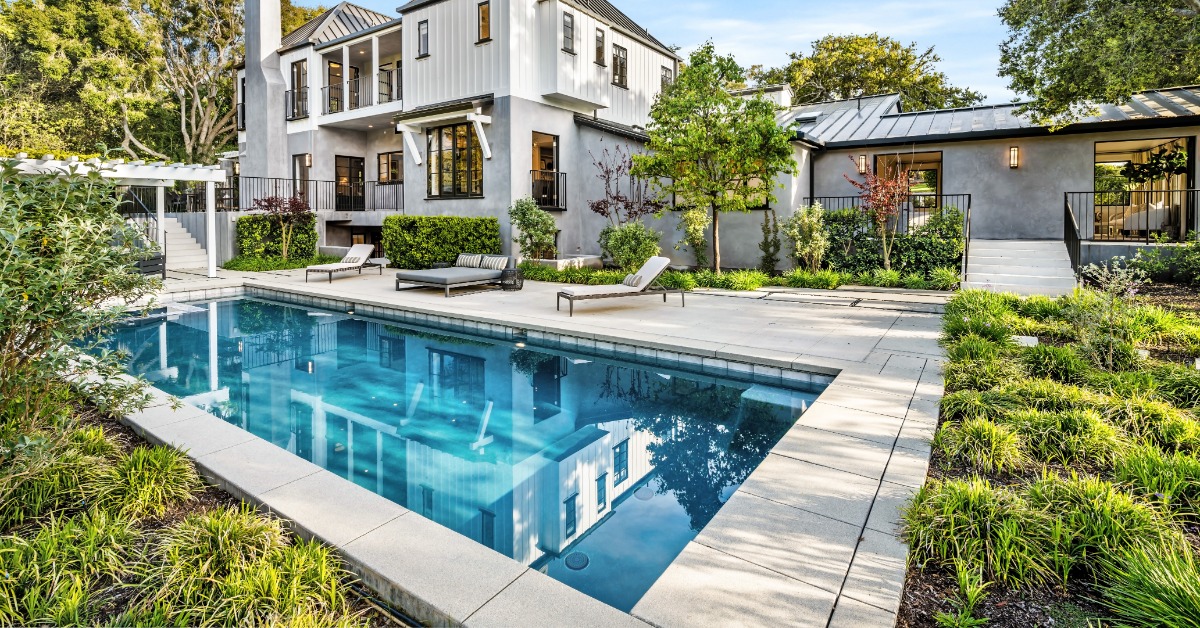
A well-designed swimming pool should complement your outdoor space while supporting the activities you enjoy most. Geometric pools offer clean lines and structured shapes that make backyard layouts more practical without sacrificing visual appeal. Their defined edges create opportunities for organized seating areas, convenient walkways, and seamless connections to other outdoor features.
Understanding why geometric pools improve outdoor functionality starts with examining how their shapes influence everyday use. From maximizing available space to accommodating recreational activities, these designs give homeowners greater control over their backyard environments. Thoughtful planning allows each element to serve a specific purpose while maintaining a cohesive appearance.
Geometric Pools Maximize Available Backyard Space
Property dimensions determine how much room homeowners can dedicate to swimming and outdoor recreation. Geometric pools use straight edges and consistent angles to create organized layouts that complement properties of varying sizes. Their predictable footprints allow designers to position swimming areas strategically without completely consuming yard space.
Rectangular pools work particularly well alongside property boundaries and patios, as geometric configurations allow homeowners to maintain more usable space around the pool perimeter. For properties with limited square footage, designers can adjust pool dimensions to accommodate existing landscaping or nearby structures.
Narrow lap pools, compact squares, and elongated rectangles offer practical solutions. These configurations also simplify the relationship between swimming areas and surrounding hardscaping, allowing homeowners to allocate more space to outdoor furniture and recreational activities.
Straight Edges Create More Efficient Traffic Flow
Movement throughout an outdoor environment influences how comfortably homeowners and guests use the space. Geometric pool designs establish clear pathways that connect different backyard destinations without creating awkward transitions.
Straight pool edges allow designers to incorporate consistent deck widths and direct walking routes. This organization becomes especially valuable when connecting the pool to a home or outdoor kitchen. Homeowners can also establish distinct pool entry points that minimize movement across recreational spaces.
For families who entertain regularly, organized traffic patterns create a more comfortable experience. Guests can move between swimming and lounging areas without navigating narrow passages or interrupting other activities.
Defined Pool Shapes Support Swimming Activities
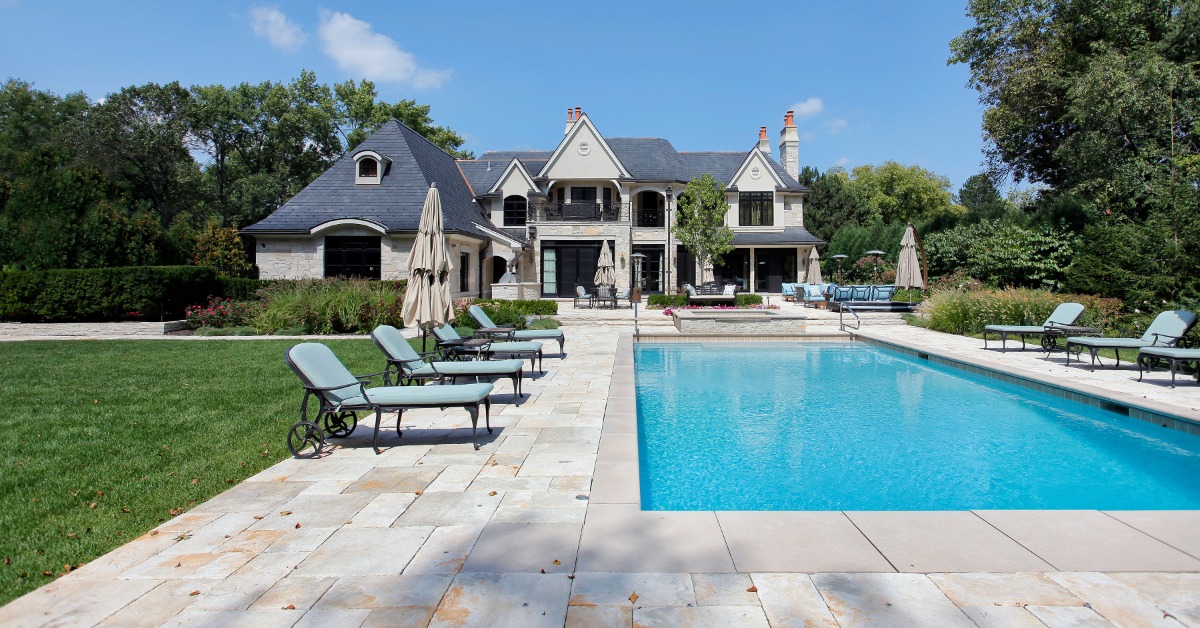
Different swimming activities require varying amounts of open water and specific spatial arrangements. Geometric pools provide predictable dimensions that accommodate exercise and recreation within a structured environment.
Long rectangular configurations offer uninterrupted swimming paths for homeowners who enjoy regular aquatic exercise. Consistent widths make it easier to maintain a steady swimming direction without navigating curved boundaries.
Meanwhile, wider geometric layouts provide generous space for recreational swimming. These options allow homeowners to select features that match their intended pool use rather than accommodating an impractical layout.
Geometric Designs Simplify Outdoor Furniture Placement
Outdoor furniture arrangements influence how effectively homeowners use their pool decks. Straight pool boundaries create predictable spaces that accommodate lounge chairs and dining furniture without complicated positioning.
Rectangular decking sections allow homeowners to arrange seating parallel to the water while preserving convenient access between furniture groupings. Geometric designs also make it easier to establish consistent distances between pool edges and surrounding furnishings.
When planning custom-shaped pools, designers can incorporate subtle geometric variations that accommodate furniture arrangements or architectural details. An L-shaped configuration, for example, creates a natural corner for a separate lounging area. The result is an outdoor environment where furniture placement supports comfortable movement and practical everyday use.
Structured Pool Layouts Improve Outdoor Entertainment Areas
Entertaining becomes more convenient when backyard features work together as a coordinated environment. Geometric pools establish a clear visual framework that designers can extend into nearby gathering spaces.
An outdoor kitchen positioned alongside a rectangular pool can share a consistent architectural alignment with the surrounding deck. This arrangement creates an intentional connection between dining and swimming activities without requiring elaborate transitions.
Similarly, homeowners can position covered seating areas along one side of the pool to maintain convenient access to refreshments and shade. Clear boundaries distinguish gathering areas from active swimming spaces, while integrated seating features establish natural gathering points without disrupting the overall pool footprint.
Geometric Pools Accommodate Integrated Water Features
Water features enhance a swimming pool’s appearance while contributing to its overall design. Geometric configurations provide defined surfaces that accommodate contemporary features without introducing visual complexity.
Raised walls along straight pool edges create opportunities for sheer descents or other decorative water elements. Designers can position these features to complement the pool’s proportions and nearby architectural details.
Geometric pools also support elevated spas with clean transitions between separate water areas. Homeowners interested in decorative accents can incorporate linear lighting arrangements that emphasize the pool’s edges after sunset. Carefully planned illumination improves visibility around designated outdoor areas while highlighting the overall design.
Consistent Pool Dimensions Support Practical Maintenance
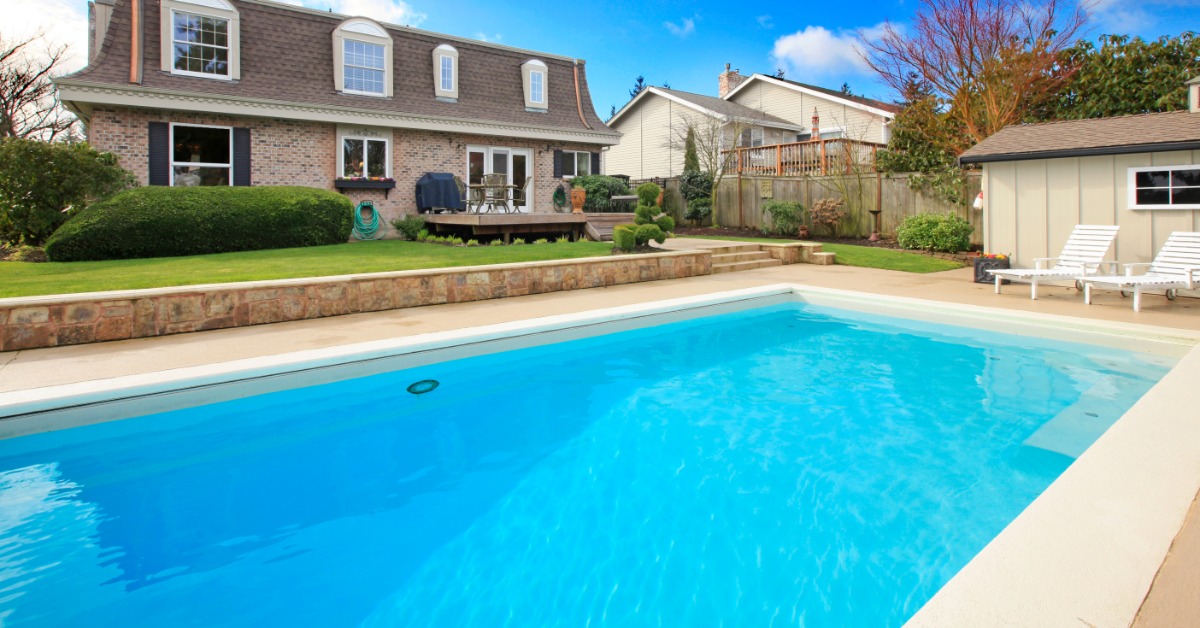
Pool maintenance remains an important consideration when selecting a swimming pool design. Geometric configurations offer straightforward boundaries that simplify certain cleaning tasks and equipment planning.
Straight walls and predictable corners create clearly defined areas for routine brushing and visual inspections. Some automated cleaners navigate simple rectangular configurations efficiently, although performance depends on equipment capabilities and pool features.
Geometric shapes also allow designers to evaluate circulation requirements around a relatively predictable footprint. Proper return placement and hydraulic design remain essential because corners and other features can influence water movement. Homeowners should still maintain appropriate water chemistry and professional service schedules. A practical pool layout supports routine care, but its shape alone cannot eliminate maintenance responsibilities.
Architectural Alignment Creates a More Cohesive Backyard
A swimming pool should complement the home’s architectural character rather than appear disconnected from its surroundings. Geometric designs often coordinate naturally with residences that feature prominent horizontal lines or symmetrical exterior details.
Designers can align pool edges with nearby windows or terraces to create visual continuity. Material selection further reinforces architectural consistency, as coordinating coping and decking finishes with existing exterior surfaces creates a unified appearance.
Geometric configurations also provide flexibility for homeowners who prefer contemporary outdoor environments. Adjustments to proportions and decorative details allow the pool to reflect different architectural preferences while maintaining practical functionality.
Thoughtful Geometric Pool Planning Improves Everyday Outdoor Living
Ultimately, why geometric pools improve outdoor functionality comes down to their ability to organize outdoor environments around practical needs. Their structured footprints support comfortable movement and purposeful feature placement while giving homeowners flexibility in how they use their properties.
At Riverbend Sandler Pools, we design and build custom swimming pools that reflect each homeowner’s property and lifestyle. Our team works with homeowners throughout the Dallas-Fort Worth area to develop pool designs that complement existing architecture and outdoor living goals.
Whether you envision a spacious rectangular swimming pool or a compact geometric design, we can explore configurations that suit your available space. Contact Riverbend Sandler Pools today to discuss your backyard plans and begin creating a more functional outdoor environment.