
Why Winterizing Pool Equipment Prevents Damage
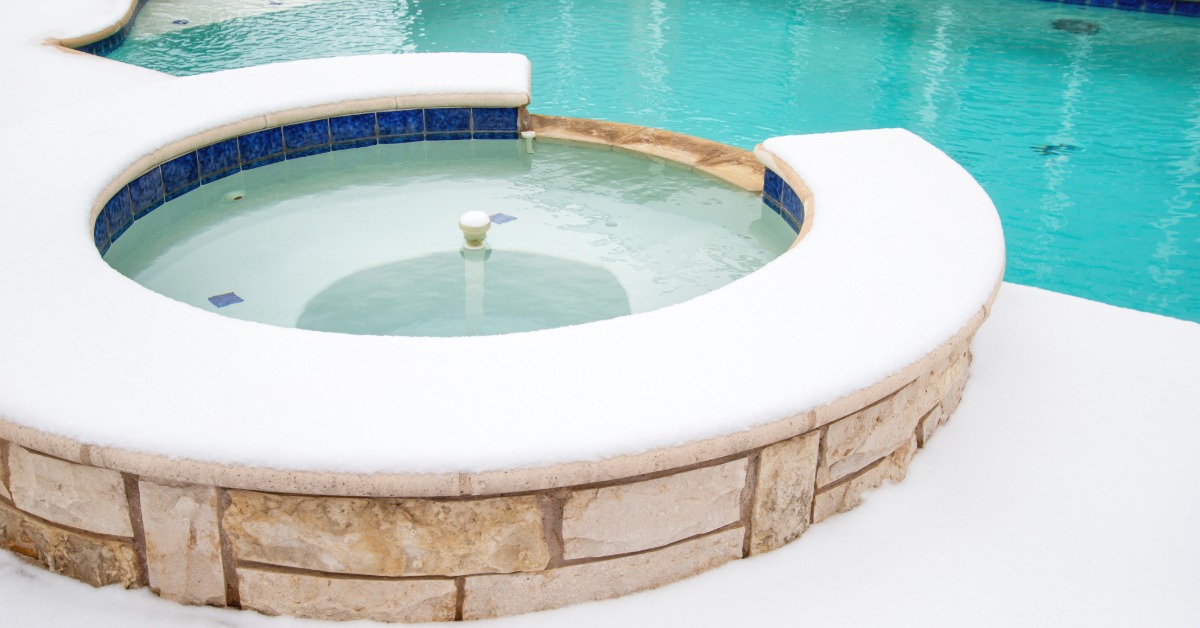
Winter weather can create serious risks for your pool system, even in regions with relatively mild climates. A brief cold snap can damage plumbing lines, pumps, heaters, and filters because when water freezes, it expands and creates intense pressure inside enclosed components.
Winterizing pool equipment prevents structural damage, protects pool system performance, and helps you avoid costly repairs while keeping your pool operational year-round. At Riverbend Sandler Pools, we help homeowners prepare their systems without closing their pools, maintaining both protection and functionality during the colder months.
Freezing Water Causes Cracks and Structural Failure
Water expands by nearly 10 percent when it freezes, and that expansion creates pressure inside pipes and pool equipment housings. Even a small amount of trapped water can lead to cracked fittings, split plumbing lines, or fractured pump casings. Once temperatures rise, those cracks allow water leaks that compromise pool system performance.
Hidden damage often surfaces later in the season when you restart full circulation. This means underground plumbing leaks may go unnoticed until water loss or pressure problems become evident. Proper pool winterization eliminates trapped water and removes the internal stress that leads to structural failure.
Pool Equipment Freeze Protection Safeguards Critical Components
Modern pools rely on interconnected mechanical systems to operate properly. Pumps circulate water, filters remove debris, heaters regulate temperature, and automation controls coordinate the entire operation. Each of these components contains water that can freeze during a cold event.
Effective pool equipment freeze protection safeguards pumps, filters, heaters, plumbing lines, and valves from internal water expansion damage. When these elements remain properly drained and adjusted for colder weather, your pool system maintains structural integrity and resumes normal operation without disruption.
Winterization Prevents Costly Emergency Repairs
Freezing damage often leads to emergency service calls during the least convenient times. Replacing cracked pumps, split filter tanks, or damaged heaters requires both parts and labor, which increases overall costs. Underground pipe repairs may also involve excavation, which adds complexity and greater expense to the project.
Proactive winterization significantly reduces the chance of needing these unexpected repairs. A professional inspection from a certified technician allows you to identify vulnerable components and ensure proper drainage before temperatures drop. This preparation protects your pool equipment and prevents mid-season breakdowns that interrupt pool use.
Proper Drainage Preserves Plumbing Lines
Pool plumbing lines remain especially vulnerable during freezing weather because water often sits inside them between circulation cycles. As that water freezes, it expands against the pipe walls and creates stress at joints and elbows. Over time, even minor water expansion can cause hairline fractures or complete splits.
Technicians address this risk by clearing standing water from exposed plumbing and verifying that no water remains trapped in low points or fittings. They also inspect equipment pads to confirm that drainage remains complete, and they may add insulation around pipes to minimize cold exposure. This attention to detail preserves both above-ground and underground plumbing systems.
Equipment Longevity Improves With Seasonal Protection
Your pool equipment represents a significant long-term investment. Pumps, heaters, and filtration systems operate continuously during swim season, and cold weather adds additional strain. Rubber seals stiffen, gaskets contract, and plastic components become more brittle when temperatures drop.
Winterizing reduces this stress by preventing ice formation inside sensitive components. When you protect the pool’s moving parts and seals from freezing expansion, you extend their operational lifespan. At Riverbend Sandler Pools, our team emphasizes ongoing care because consistent maintenance directly supports long-term pool performance. We also offer winterization booklets that can guide you through the winterization process.
Automation and Sensors Require Cold-Weather Safeguards
Many pools include automation systems that contain built-in freeze protection modes. These systems activate pumps automatically when temperatures approach freezing, allowing circulating water to reduce the chance of ice formation. While automation provides valuable support, it does not replace comprehensive winter preparation.
Professionals verify that all sensors function accurately and that freeze protection settings activate at the appropriate temperatures. They also confirm that the pumps and valves respond correctly when triggered. This layered approach ensures your pool system reacts effectively during sudden weather shifts.
Winterizing Reduces Downtime During Swim Season
Spring should bring enjoyment, not unexpected equipment repairs. When freezing damage occurs, pool reopening delays often follow. Replacement parts may take time to source, and repairs can postpone your swim season.
By winterizing your pool equipment before the colder months settle in, you reduce the likelihood of breakdowns and ensure a smoother seasonal transition. Equipment that remains intact throughout the winter starts up faster and operates more efficiently. This continuity protects your investment and keeps your backyard pool ready for use.
Professional Winterization Provides Thorough Protection
Professional pool winterization follows a structured and methodical process. Certified technicians inspect all mechanical components, drain vulnerable areas, and confirm that automation settings align with seasonal needs.
They also evaluate exposed plumbing and equipment pads to identify any additional protective measures that need to be taken. This detailed approach eliminates uncertainty and makes sure that no critical component goes unprotected.
Winterizing Supports Safe, Year-Round Pool Operation
The Riverbend Sandler Pools team helps homeowners winterize without closing their pools. This approach allows for continued circulation and system readiness while still protecting critical pool components from freeze damage. Ongoing care prevents stagnation, maintains water balance, and supports consistent performance.
By winterizing the pool properly, you maintain safe operation throughout the colder months. Circulation activates when needed, equipment stays protected, and your system remains ready for warmer weather.
Prevention Protects Your Investment
A custom pool enhances your lifestyle, increases your property’s value, and creates a space for relaxation and entertainment. But protecting that investment requires proactive seasonal care. Winterizing pool equipment prevents avoidable damage, reduces repair costs, and extends system lifespan.
If you want to protect your pool equipment before the next freeze, consult a professional team that understands comprehensive pool care and seasonal preparation. At Riverbend Sandler Pools, we provide experienced winterization services designed to safeguard your pool system and maintain reliable year-round performance. Contact Riverbend Sandler Pools today to schedule professional winterization and protect your pool investment this winter.