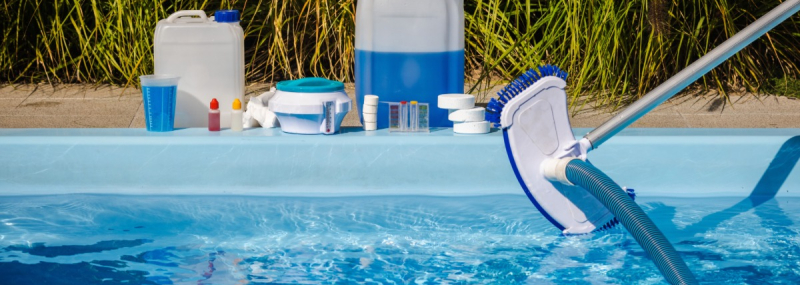
Owning a swimming pool brings plenty of enjoyment, but keeping it clean and operating properly requires consistent attention. Leaves, dirt, algae, and changing water chemistry can affect both the appearance and performance of a pool in a short amount of time. Regular service visits keep small concerns from turning into larger maintenance issues. Many homeowners…
Read More
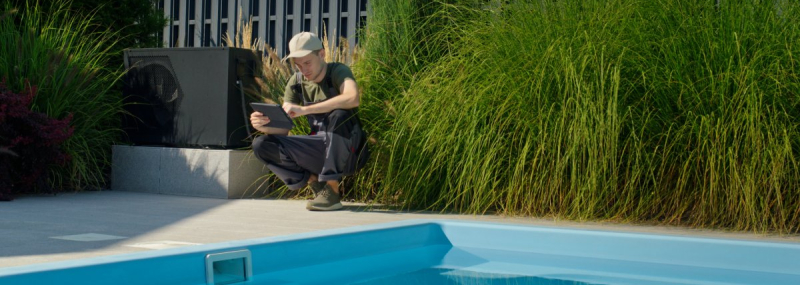
A swimming pool depends on several interconnected systems to keep the water clean, safe, and enjoyable. Pumps, filters, heaters, plumbing lines, and automation equipment all work together to maintain proper operation. But when one component begins to struggle, the entire system can experience problems that affect performance and increase operating costs. Many pool issues start…
Read More
Outdoor renovations often begin with upgraded patios, expanded outdoor kitchens, and refreshed landscaping. But once homeowners improve those features, the pool can start to feel disconnected from the rest of the backyard. A renovation that blends every outdoor element together creates a more polished and functional environment for entertaining, relaxing, and everyday living. Many homeowners…
Read More
Outdoor living continues to shape home design decisions. Many homeowners want a backyard retreat that feels comfortable, stylish, and practical without taking over the entire property. Smaller pools meet that demand by creating a high-end experience while preserving room for patios, landscaping, and gathering areas. Small pool designs that maximize outdoor enjoyment continue to gain…
Read More
An infinity pool redefines how a backyard interacts with its surroundings. By visually blending water with the horizon, it creates a striking effect that elevates the outdoor space’s design and the user experience. Homeowners often choose this pool style to enhance scenic views and establish a refined outdoor environment. Infinity pools create seamless outdoor views…
Read More
Backyard design has evolved beyond simple layouts into immersive environments that feel intentional and connected, as homeowners now prioritize movement, balance, and continuity across their outdoor spaces. Freeform pool installation reflects that shift by creating visual flow, offering a design philosophy that blends structure with organic form. Freeform pools remove rigid lines and replace them…
Read More
Every backyard presents its own opportunities and constraints. For example, some properties feature tight corners, sloped terrain, or existing structures that limit traditional outdoor living layouts. Designing custom-shaped pools for unique spaces allows homeowners to transform these challenges into standout design elements while creating a pool that feels intentional and cohesive. At Riverbend Sandler Pools,…
Read More
Homeowners across North Texas continue to invest in elevated outdoor living, and custom spas have become a defining feature of modern backyard design. In an area like Dallas, where outdoor spaces see year-round use, a well-designed spa adds both relaxation and visual appeal. Today’s designs extend far beyond standard hot tubs, offering tailored experiences that…
Read More
If you live in the Dallas area, you can’t go wrong adding a pool to your backyard. This luxurious installation will provide much-needed relief on our blistering hot days and become relaxation central every other day of the year. And if you go with a custom build instead of a standard rectangular build, you can…
Read More
Creating a cohesive backyard that blends cooking, relaxation, and recreation requires thoughtful planning. Designing outdoor kitchens around swimming pools allows homeowners to build spaces that support entertaining while enhancing everyday comfort. When these elements align, the backyard becomes more than a pool area—it becomes a fully functional outdoor living environment. Homeowners across North Texas continue…
Read More
We cover a wide region of North Texas including Dallas, Prosper, Plano, and McKinney. To see a full map of the areas we cover, please check out our Areas Covered page. If you’re still not sure if we can serve your location, just speak to our team.
We do not sell spare parts or chemicals, but as part of our ongoing maintenance services, we will ensure you have everything you need to operate your pool effectively.
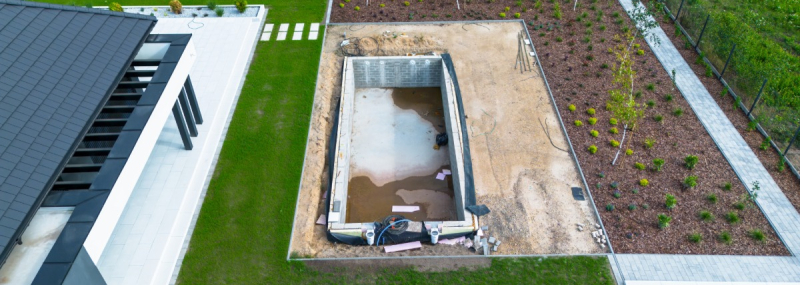
Every pool design is different, so the pool build will also vary. Most pool and spa builds take on average 12-14 weeks, but the complexity of the project and weather conditions will also need to be factored in.
Projects that require engineering or contain structures can take longer. Your builder will provide you with an estimated timeline after you’ve signed the contract.
As mentioned above, most swimming pools include a freeze protection mechanism that is triggered automatically when the temperature reaches the near-freezing temperature of 32°F.
Unfortunately, during a power outage the freeze protection will not activate. When this occurs, it’s essential to winterize your pool equipment to ensure it doesn’t become damaged.
To do this, watch our video or view our PDF which will outline how to effectively winterize your pool and equipment.
The filter should be backwashed every four to six weeks or when the pressure increases 8 -10 lbs over normal clean filter pressure. The filter should also be completely disassembled, inspected, and cleaned every six months to ensure proper filtration.
As part of our maintenance service, we will backwash your filter as described above. Filter cleaning can be done at an extra charge through our customer care program.
Check your water level is full. This is the case when the water is halfway up the skimmer mouth or below the overflow gate.
If the water level is low, it can cause the system to pull in air and push it through the system and into the pool, creating bubbles.
If your water level is correct, then the problem might be caused by your skimmer doors not being pulled into the water. If one or both of the skimmer doors are not being pulled in with the flow of water, it can cause large amounts of water to enter the system which means bubbles may appear.
If air bubbles persist, turn off the pump, close suction valves (skimmers one, two and the main drain), remove the pump lid, and clear any debris.
If you’re still experiencing air bubbles, it’s time to call a technician.
If your pool pump is not working, first check the breaker panel in your pool control panel to see if the breaker has been tripped. The breaker is labeled ‘filter’ and if it has been tripped, it will be in the middle position.
If this is the case, push the breaker completely into the ‘off’ position. Then, push it into the ‘on’ position. Also check the system to ensure the pump is turned on.
If the pump turns on then it means the trip was what caused the issue – however, if it does not, then it means there is a different problem and you’ll need to call our office to dispatch a technician.
You normally require a permit for a new pool. Always check with your local authority about whether you need a pool permit and what information you will need to give. If you need any support with applying, just ask our team.
From the time you sign a contract, allow at least 30 days for HOA approval if required before we can begin. City jobs can also add on time at the front end due to permitting reviews and during the process for inspections required at certain phases of construction.
Any reputable builder will provide you with a written warranty; make sure you review the warranty section and do not accept anything verbally. A new swimming pool is a huge investment, so do not be afraid to ask questions for clarification.
The cost of swimming pools varies depending on a variety of factors, including size, depth, utility runs, materials, access for excavation, your yard’s elevation and slope, and even the location of your house as this can impact permit costs.
All of the pools we build are fully customized meaning costs will differ.
Yes! Our pool service is all about convenience, so we work to your schedule. If you’re going to be out then simply make arrangements with our team and we’ll work on your pool even if you’re not at home.
You can expect some water loss due to evaporation and splash out during swimming. The evaporation rate varies due to several factors, including the season, the area in which you live, and the amount of time you run your water features.
If you suspect that your pool is losing an above-average amount of water, check all plumbing and equipment for leaks, inspect the backwash line for the water bypassing valve, and inspect the interior of the pool for cracks.
You should also contact our service department to schedule a service call to check for visual leaks on equipment as part of our leak detection services. Alternatively, you can contact the structural warranty department for non-visual leaks to discuss possible scenarios.
Most swimming pools include a freeze protection mechanism that activates when the temperature reaches the near-freezing temperature of 32°F. Your freeze guard keeps your pool running to help prevent damage to your pool and/or equipment. If the freeze guard does not activate and/or you lose power, then please see the FAQ on power outages in freezing weather.
Every pool system has different pressure restrictions depending on the type of equipment and features that were built with your pool. New pool owners will be given the normal pressure for their system with their start-up instructions.
The amount of time required to run your pool system and pump will depend on the time of year and your pool conditions. For example, in the spring and summer months when your pool is likely to be used more, we’d recommend running it for eight to ten hours a day.
However, in the fall and winter, we’d recommend doing this for four to six hours a day.